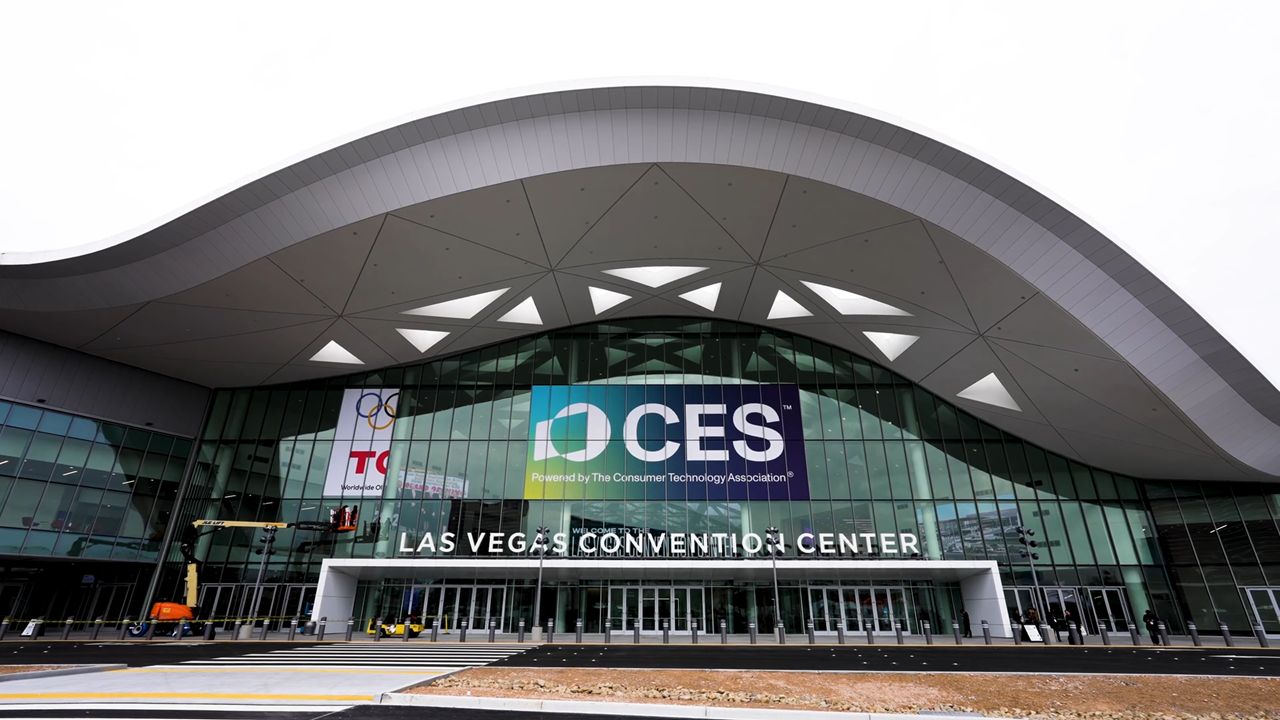

We are one day away from the start of #CES2026. Over the past week, I’ve shared a set of hypotheses I’ll be testing on the show floor. Robotics. Industrial AI. Digital twins. AI-defined vehicles. And the workforce implications quietly embedded in many of these products.
Here’s the final lens I’ll be using as I walk the floor tomorrow: are we seeing signs that control is shifting from users to systems?
As industrial AI, robotics, and many of the technologies we will see on the show floor, become more capable, the complexity of controlling them should arguably decrease, not increase. The most advanced products shouldn’t demand more attention, more configuration, or more training. They should require less.
I’ll be watching to see which companies have built enough confidence into their systems to truly delegate control, hiding the complexity of their digital brains behind intuitive, human-centered design. Ultimately, the real test isn’t whether a system can make decisions, but whether people are willing to let it.
If a system is truly intelligent, you shouldn’t have to manage it. You should barely have to notice it. The most meaningful interfaces of the future probably shouldn’t look anything like a dashboard at all. It should look like trust. I’m looking for early signals of how this shift is emerging.
CES begins tomorrow. The show floor will be loud. The biggest shifts will likely be happening quietly.
See you on the floor.
Related content you might also like:
- AI Productivity Agents Signal the Start of the Agent Era
- Provisioned Agents: The Future of Digital Workers
- Harnessing AI for Enhanced Profitability in Times of Diminishing Demand
- Are remote firms sacrificing long-term knowledge gains for short-term productivity?