
Customers are not walking through store doors to buy, they are walking in to feel something. OK, that premise is not totally true. We do still go into stores to buy things, but give me a bit of latitude to make a broader point about the future of retail.
The mistake many are making is assuming stores exist to sell. They exist to invite. The future store is a medium. It publishes experiences. It earns attention before it earns revenue. And while AI might optimize the transaction, humans will still crave the moment.
For many brands, retail spaces are becoming stages for human interaction, not shelves for inventory. Louis Vuitton is turning flagship stores into cultural destinations, blending exhibitions, dining, and storytelling so the visit feels closer to a museum or social hub than a traditional store. Concepts like “The Louis” in Shanghai are designed to drive exploration, social sharing, and emotional connection, not just sales. (But yes, of course, eventually sales somewhere to someone.)
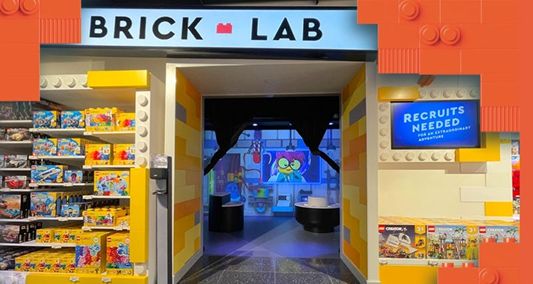
Pietro Beccari, CEO of Louis Vuitton, is betting the future of physical stores on what he calls retailtainment, a mix of products, brands, experiences, and culture. And I believe that in today’s retail landscape, transactional selling is no longer enough. FAO Schwarz, the LEGO Group, and Netflix are building retailtainment by centering play, interaction, and fandom, from guided experiences and hands-on creation to full-scale entertainment venues like Netflix House. In each case, retail becomes a reason to linger, participate, and share, transforming stores into destinations where experience leads and commerce follows.
Through all of this, we are asking consumers to choose physical retail over ecommerce, and we are offering them a modernized take on the retail store in exchange.
If you want customers to choose physical retail in a digital-first world, here are three things I think retailers should be focusing on:
1. Design for curiosity, not efficiency. Exploration beats optimization. Give people a reason to wander, pause, and engage.
2. Build cultural relevance into the space. Retail works best when it reflects values and lifestyle, not just product features.
3. Create moments worth sharing. If the experience doesn’t spark a photo, a story, or a conversation, it will likely not spark a visit in today’s world.
Retail’s next competitive advantage is not speed, price, or even convenience, it is meaning. The stores that win will be the ones that understand they are not endpoints in a transaction but touchpoints in a relationship. In a world where almost anything can be bought online in seconds, the physical store earns its future by giving people something they cannot click on.
Related content you might also like:
- Shein Store Paris: What It Means for Fast Fashion and Retail
- Harnessing AI for Enhanced Profitability in Times of Diminishing Demand
- Agentic AI: Unlocking Organizational Transformation
- When Global Risks Compound