
Top 26 AI Keynote Speakers
for 2026
Choosing the right AI keynote speaker sets the tone for your event.
The speakers below translate complex topics like generative AI, automation, ethics, and strategy into practical takeaways for executives and teams.
This curated list blends researchers, futurists, and policy thinkers so you can match the right voice to your audience and goals.
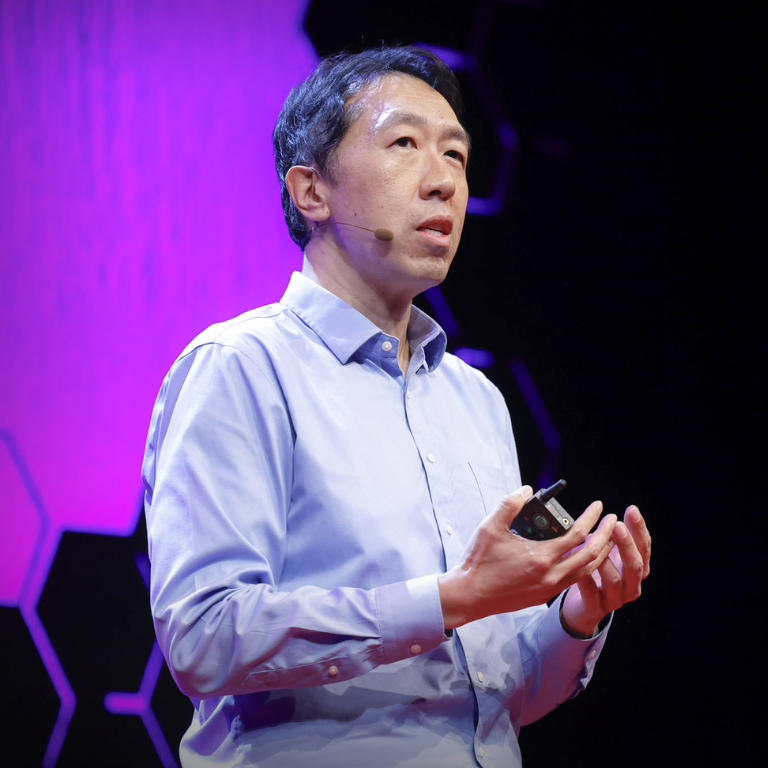
1. Andrew Ng
Known for practical AI adoption and workforce upskilling, he helps organizations create clear roadmaps from pilots to production. He popularized modern ML education through Coursera and DeepLearning.AI, which means your audience gets clear, step-by-step guidance. He also advocates a data-centric approach that shows teams how to improve model quality without ballooning costs.
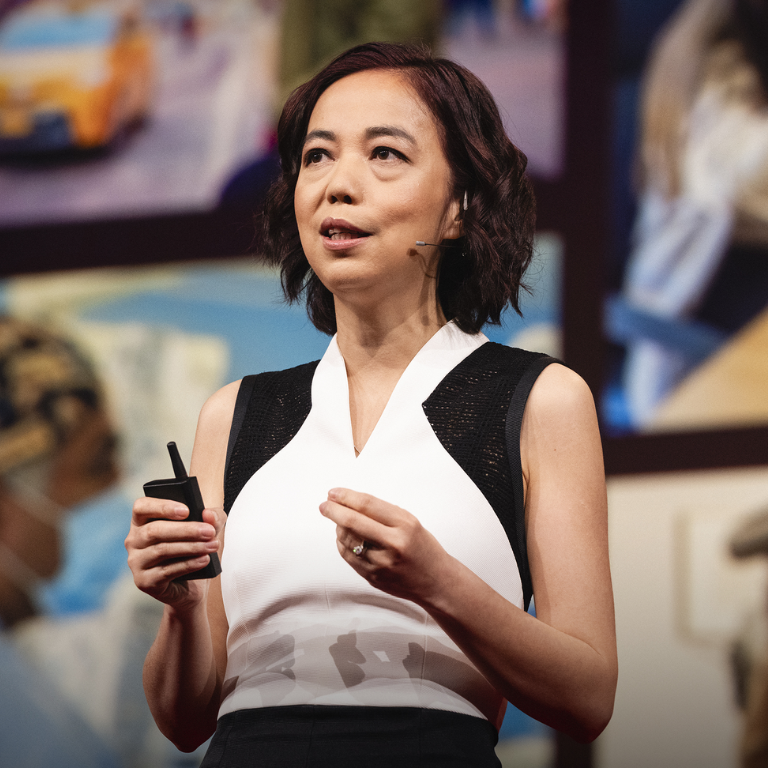
2. Fei-Fei Li
She shows how human-centered AI advances innovation in health, education, and the future of work. Drawing on ImageNet and Stanford HAI, she connects breakthrough research to everyday decisions leaders face. Expect a balanced view of capability, risk, and the cultural change required to deploy AI responsibly.
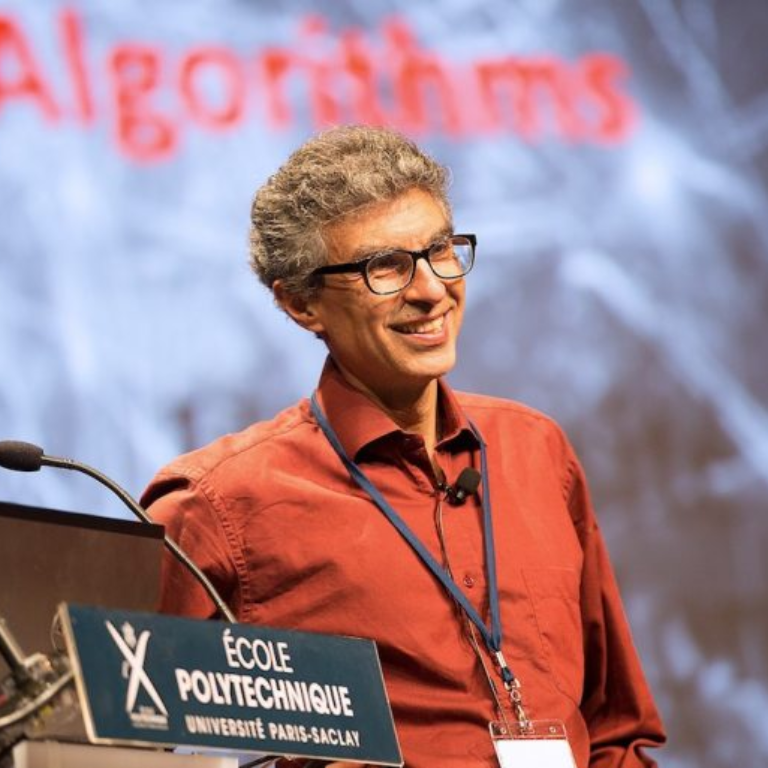
3. Yann LeCun
He explains self-supervised learning and open research trajectories that will drive the next wave. Leaders gain a concrete view of how world models and energy-based approaches can reshape products. He is a strong advocate for open science, which resonates with teams building on open toolchains.

4. Geoffrey Hinton
Audiences value his candid take on capability limits, safety, and what is next for neural networks. He explains complex ideas in plain language and helps boards think through risk scenarios. His talks encourage thoughtful governance while keeping innovation momentum.
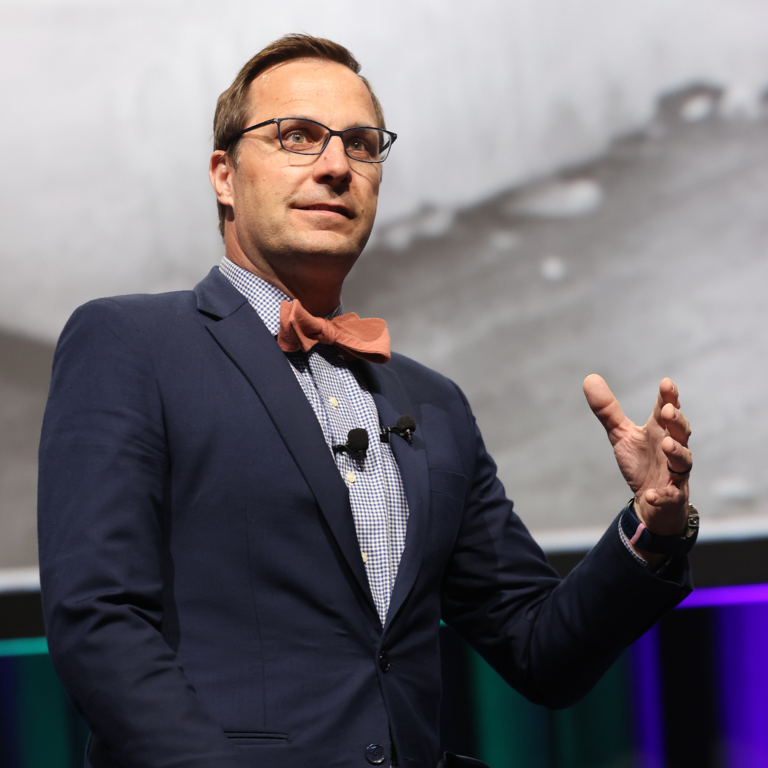
5. Dr. Shawn DuBravac
Economist, futurist, and NYT bestselling author, he helps leaders understand how AI reshapes consumer behavior, business models, and competitive dynamics. As an economist and futurist, he translates emerging technologies into clear market signals, second-order effects, and practical decision frameworks. His talks give executives a grounded view of where disruption is coming from, how to prepare their workforce, and which strategic bets create advantage in an AI-driven economy. He also brings a strong tactical focus, showing organizations how to move from curiosity to capability with clear steps: identifying high-value use cases, designing meaningful pilots, and scaling successful experiments across business units. His sessions outline how to embed AI into reporting, forecasting, product development, customer journeys, and field operations, with guidance on incentives and adoption. He works across manufacturing, retail, healthcare, financial services, and other sectors, delivering industry-specific playbooks that show exactly where to start and how to scale.
6. Demis Hassabis
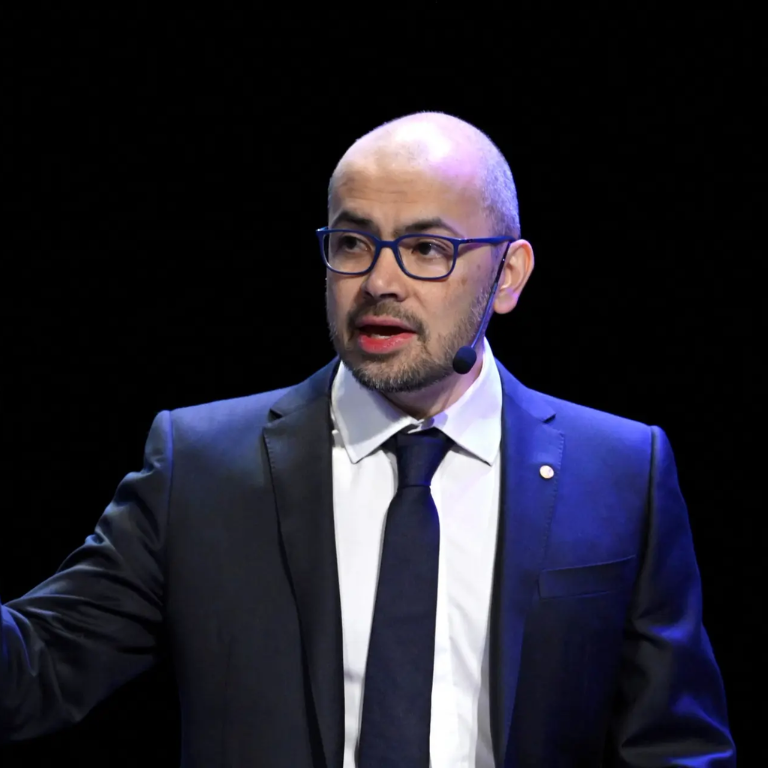
He connects frontier systems to scientific discovery and long-horizon opportunities for business. Case studies like AlphaZero and AlphaFold illustrate how AI unlocks new capability frontiers. Executives leave with a clearer sense of where to place bets in R&D and talent.
7. Cassie Kozyrkov
She teaches decision intelligence so leaders build reliable, data-informed products and teams. Her playbooks cover experiment design, human judgment, and organizational incentives that make AI stick. Expect approachable stories that turn statistical thinking into practical leadership habits.
8. Vivienne Ming
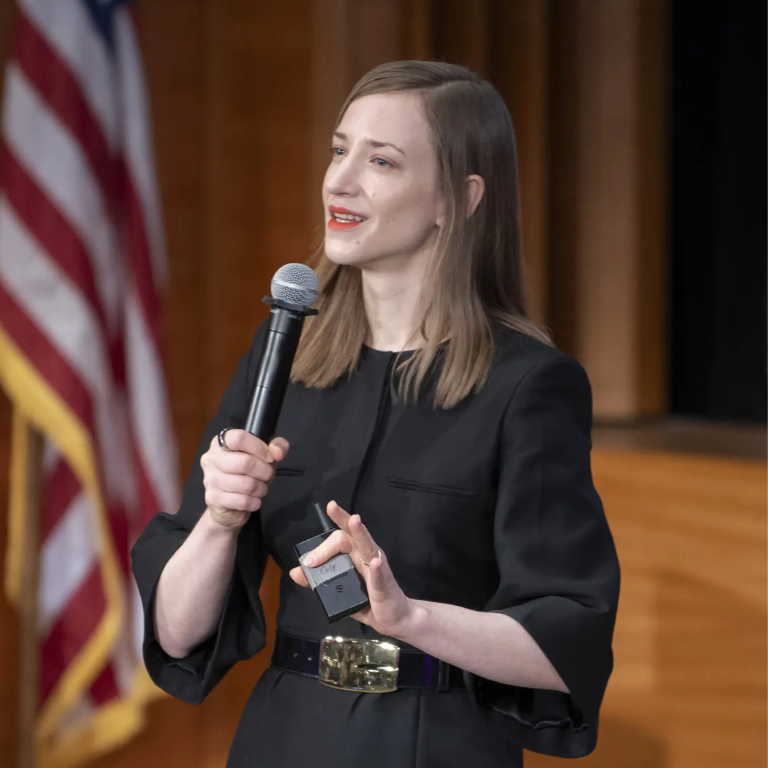
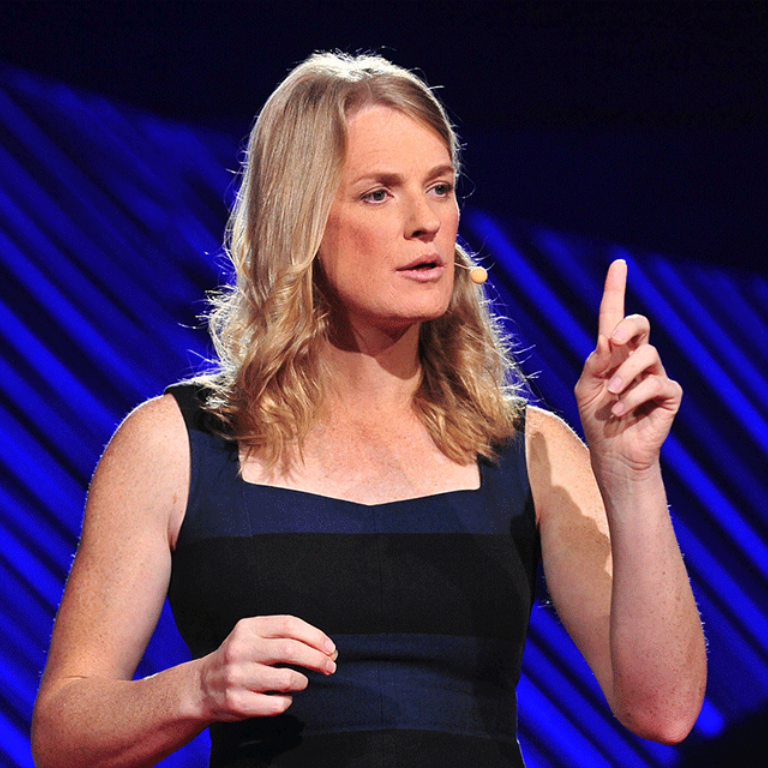
She blends neuroscience and entrepreneurship to show how AI can solve hard human problems. Her talks spotlight talent, education, and well-being, giving leaders people-first ways to use AI. Audiences leave with creative ideas that go beyond efficiency.
9. Adam Cheyer
He demonstrates how assistants and agents reshape customer experience and internal workflows. With hard-won lessons from building Siri, he shows how to ship conversational AI that truly helps users. He is especially strong for product teams that want to move from demo to durable value.
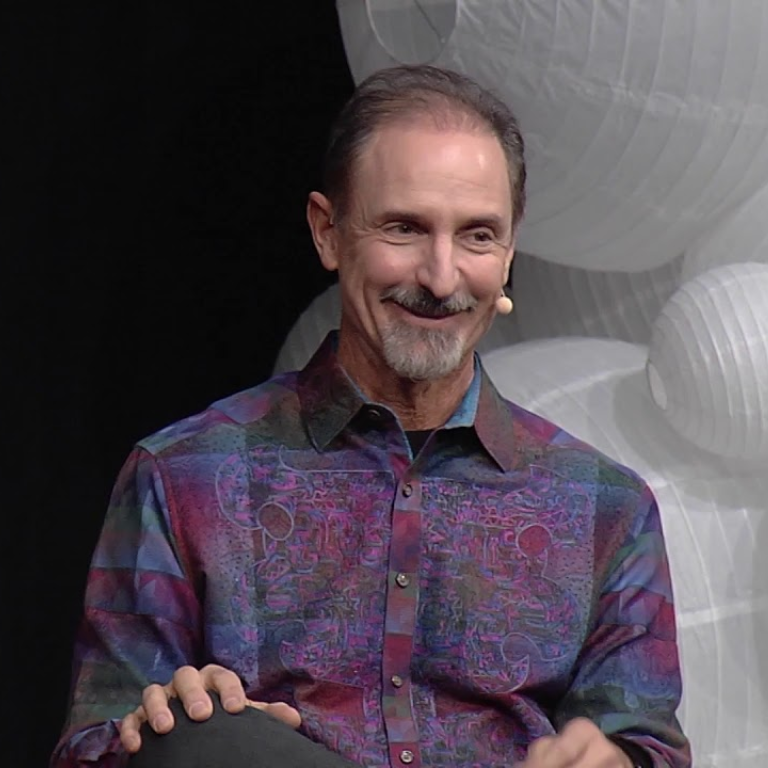
10. Tom Gruber
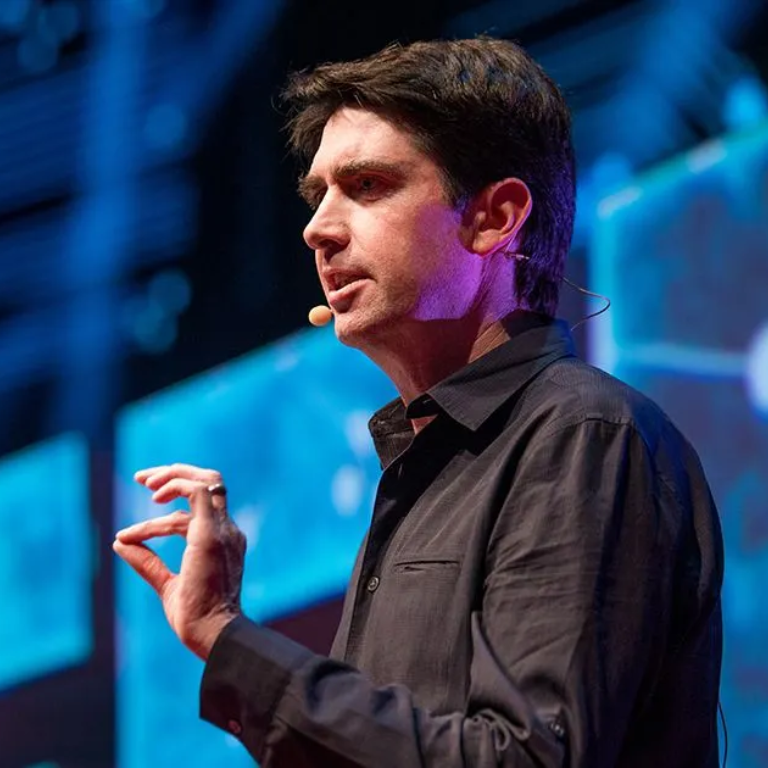
He champions humanistic AI design that augments creativity and reduces friction for users. Expect frameworks for assistive intelligence, accessibility, and collaboration with generative tools. Leaders appreciate the focus on usefulness, trust, and measurable impact.
11. Zack Kass
Former OpenAI executive who translates generative AI into executive strategy, risk posture, and competitive advantage. He shares front-line lessons on change management, vendor ecosystems, and capability roadmaps. Boards value his clarity on governance and enterprise readiness.
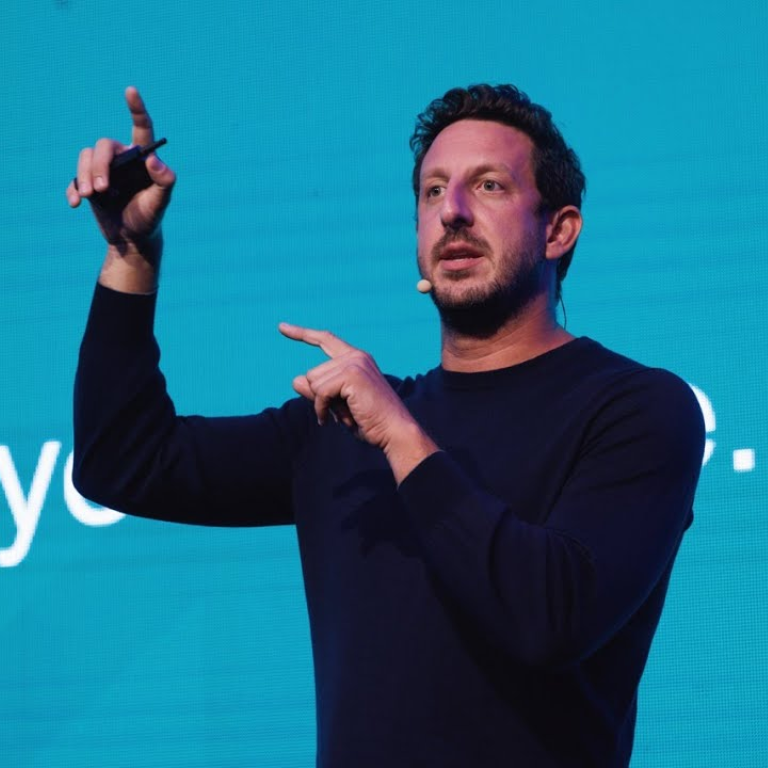
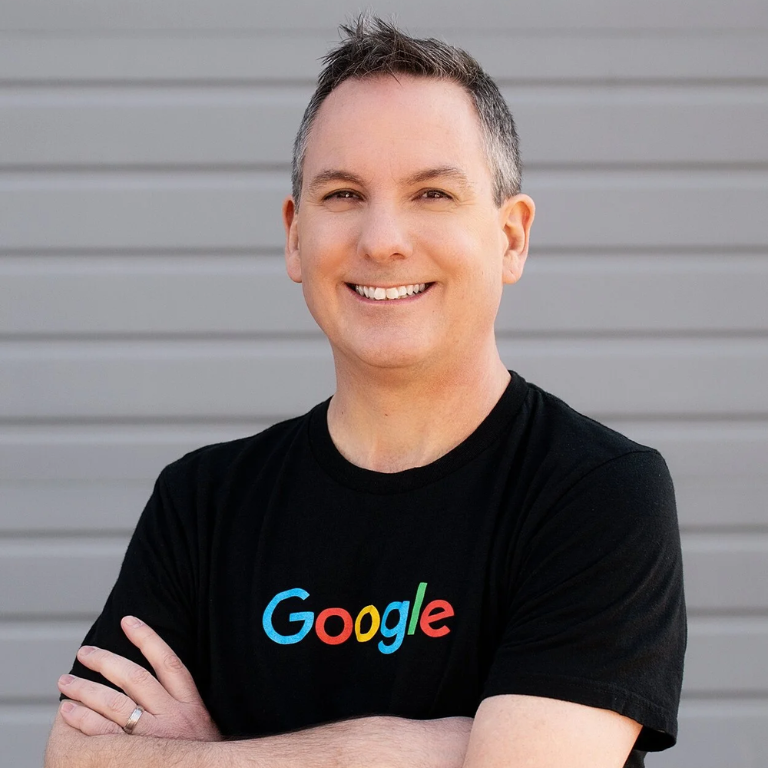
12. Dan Chuparkoff
He builds custom, industry-specific playbooks that help everyday teams use AI to boost performance. Sessions often include live workflows and prompt patterns that attendees can adopt immediately. He is especially effective for organizations seeking practical adoption within 90 days.
13. Allie K. Miller
She offers operator-grade guidance on scaling AI programs, vendor selection, and measurable ROI. Her content demystifies the build-versus-buy decision and how to staff for durable results. Leaders appreciate her concrete templates for metrics, ownership, and post-launch maintenance.
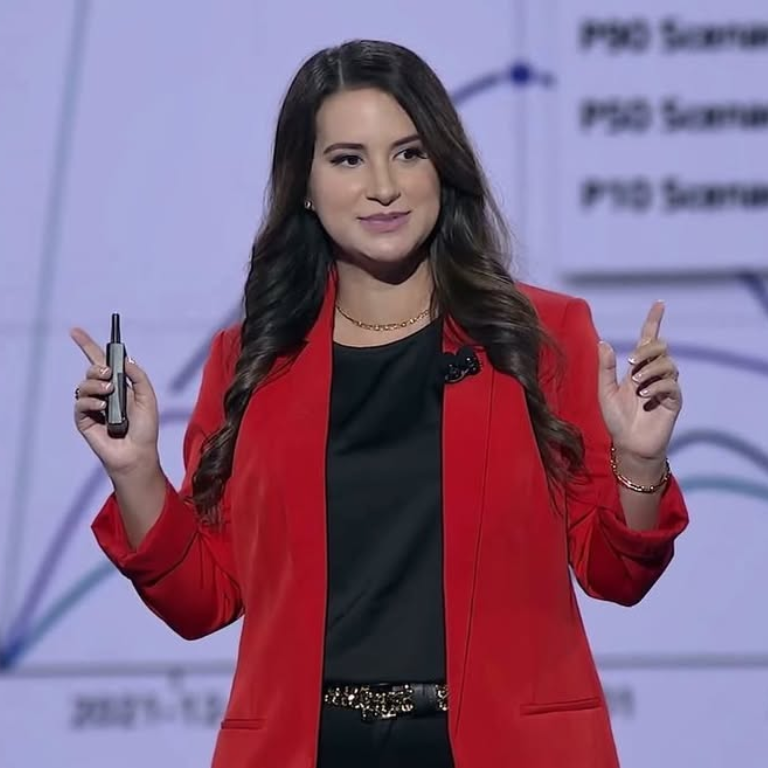
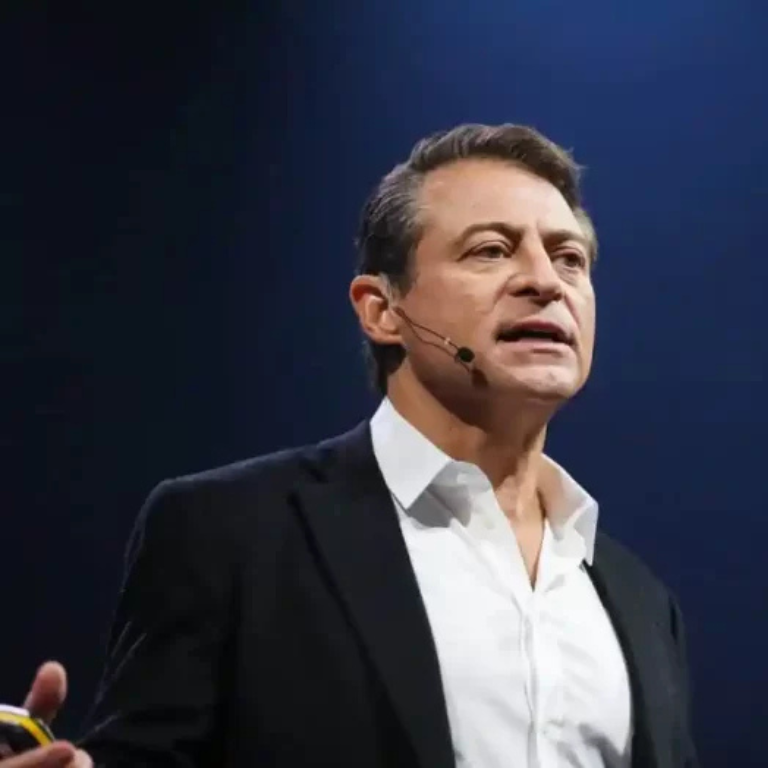
14. Peter Diamandis
He reframes AI as an engine for abundance and inspires moonshot thinking with actionable steps. His talks connect exponential technology to new business models and category creation. Teams leave motivated, with a bias toward experimentation and partnerships.
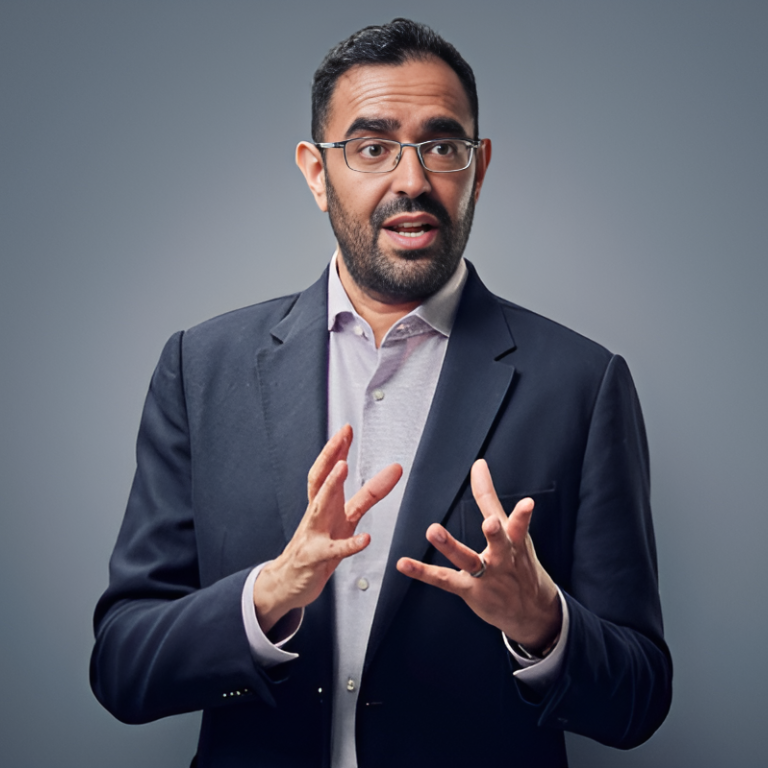
15. Azeem Azhar
He connects AI to market dynamics, regulation, and business model shifts that leaders must monitor. Expect a sharp synthesis of policy, competition, and supply chains. His frameworks help executives track signals and make timely moves.
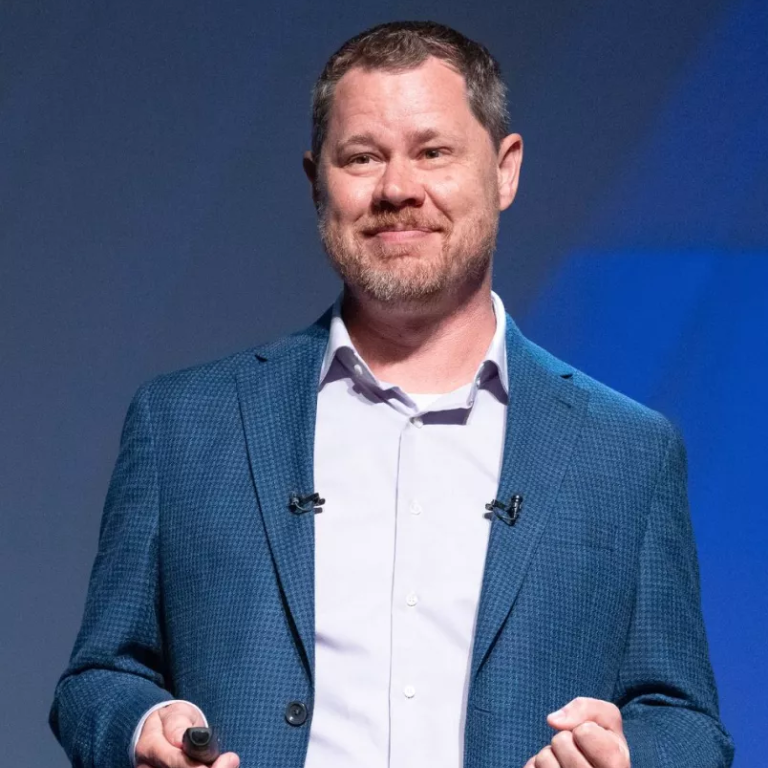
16. Trent Gillespie
He shares pragmatic frameworks for deploying AI at scale, based on experience across Amazon and growth-focused roles. Talks emphasize privacy-by-design, delivery innovation, and measurable customer outcomes. Ideal for operators who want playbooks that tie directly to revenue and retention.
17. Mo Gawdat
He focuses on responsible adoption, productivity, and how people can thrive with accelerating tech. His human-centered perspective helps leaders balance ambition with well-being. Expect practical rituals for individuals and teams navigating rapid change.
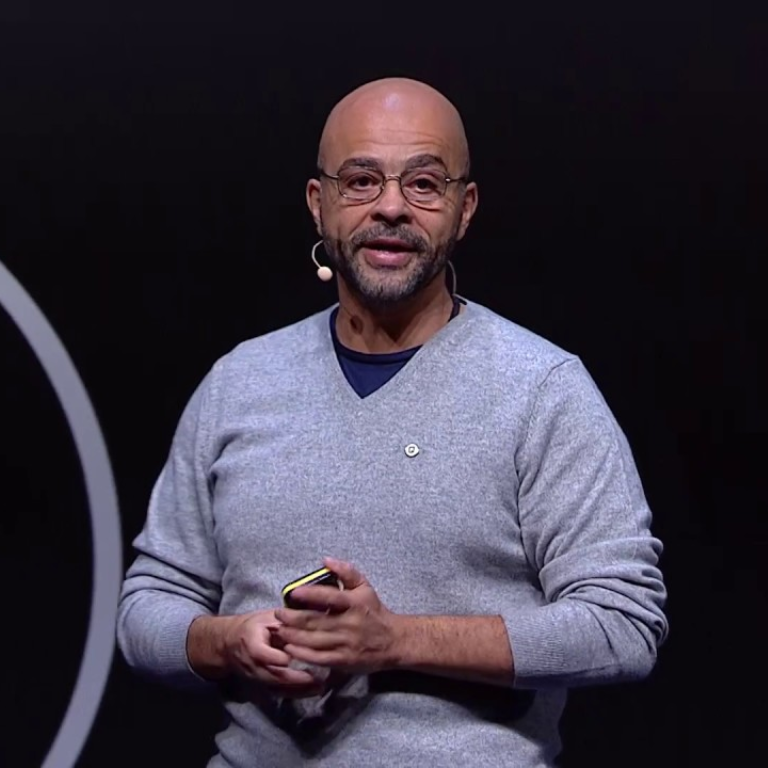
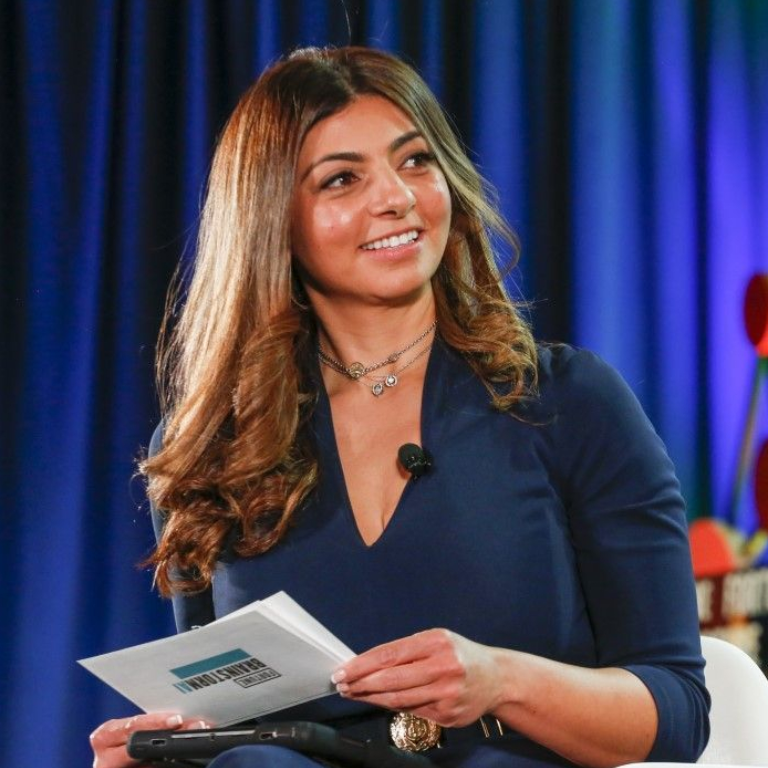
18. Rana el Kaliouby
She bridges emotion AI, computer vision, and ethics to drive trustworthy user experiences. Her case studies span automotive, health, and consumer tech. Leaders learn how to measure sentiment, respect privacy, and design for long-term trust.
19. Kate Crawford
She grounds strategy in governance, data provenance, and the real social and environmental impacts of AI. Her work helps organizations build credible accountability practices. Executives get a concrete view of regulatory expectations and reputational risk.
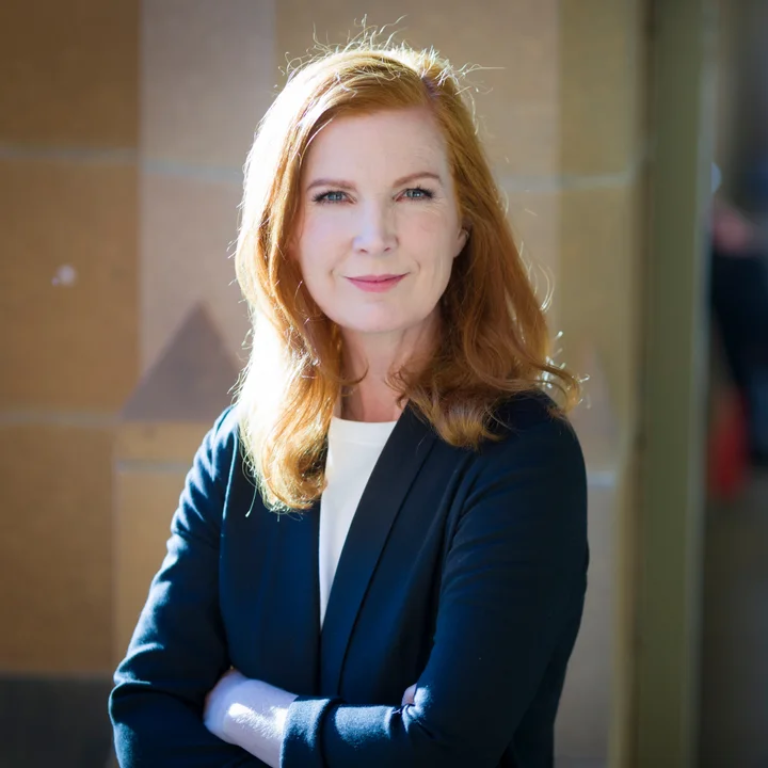
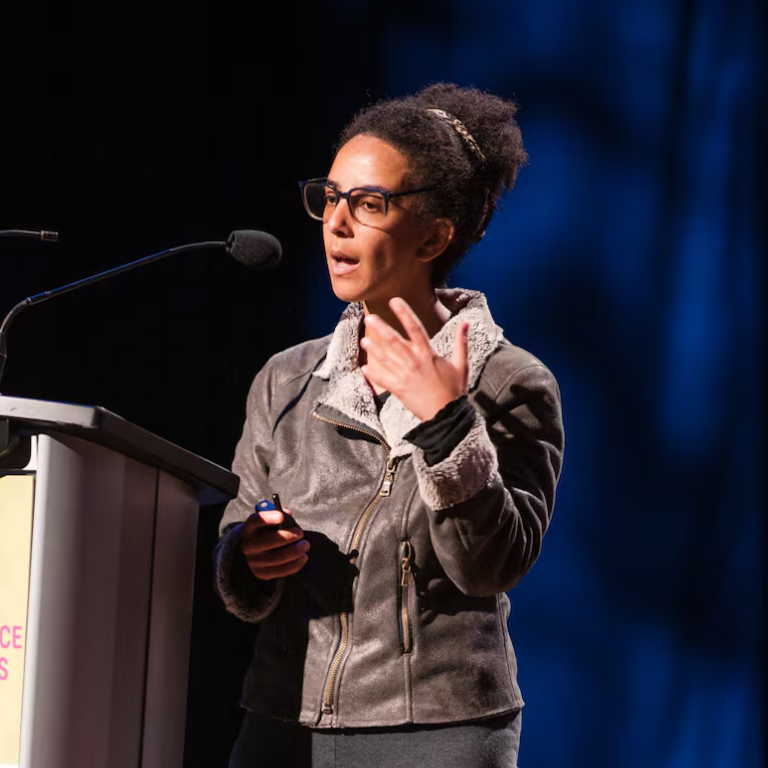
20. Timnit Gebru
She equips organizations to reduce bias, improve transparency, and strengthen research culture. Her talks outline practical steps for documentation, evaluations, and diverse teams. Boards appreciate her clear articulation of ethical risk and how to manage it.
21. Gary Marcus
He helps executives separate hype from reality and plan for robustness in AI systems. His perspective on hybrid approaches, combining symbolic and neural methods, informs enterprise architecture choices. Leaders leave with questions to ask vendors and internal teams before scaling.
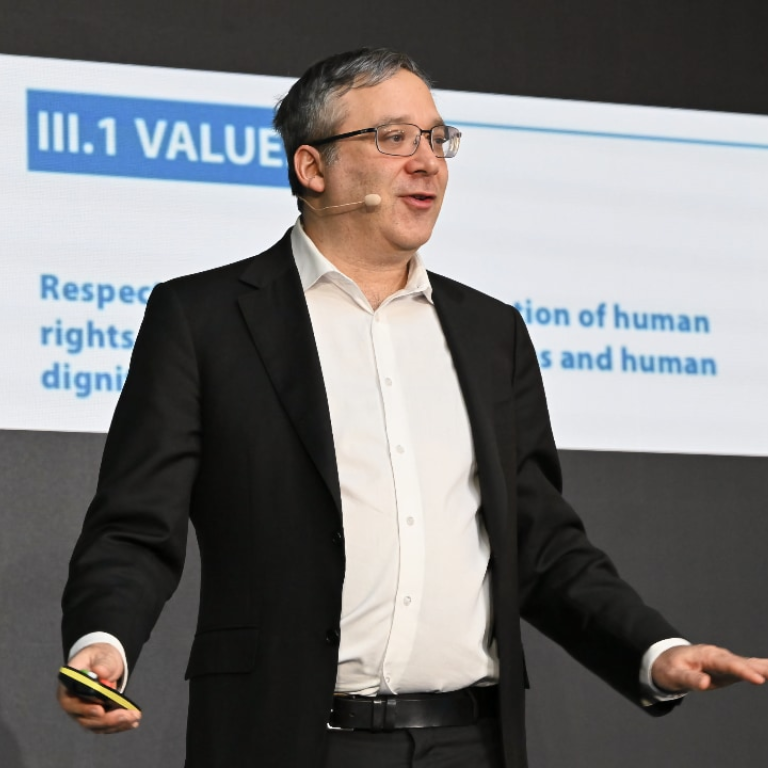
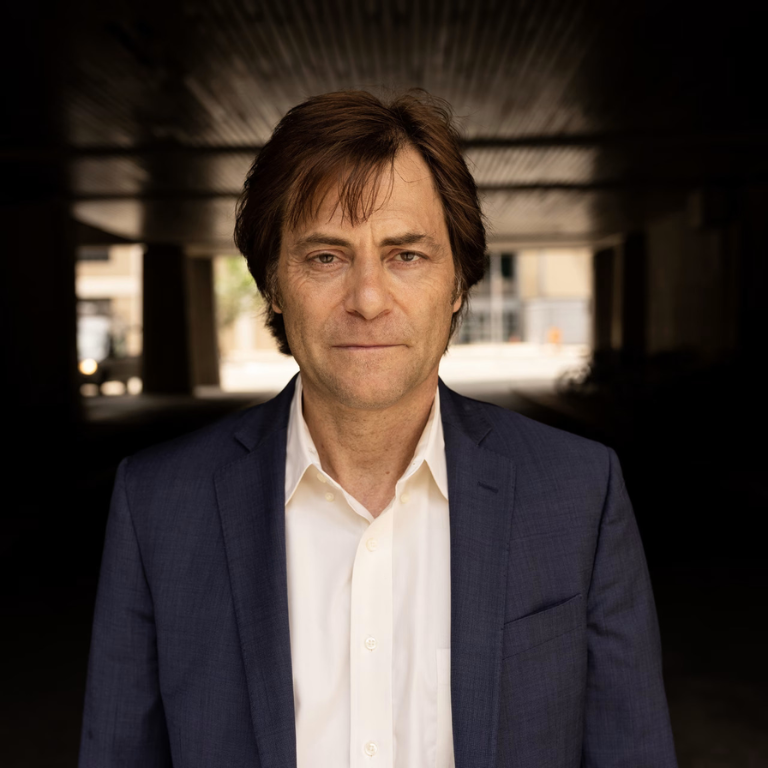
22. Max Tegmark
He explores scenario planning and policy choices that build resilience in the near term and beyond. Talks connect technical progress to societal outcomes and governance options. He offers language and frameworks boards can use to guide investment and risk policy.
23. Stuart Russell
He offers clear, rigorous frameworks for alignment, safety, and regulation. His emphasis on provable guarantees and control helps technical and non-technical leaders align. Expect actionable guidance for oversight, red-teaming, and evaluation.
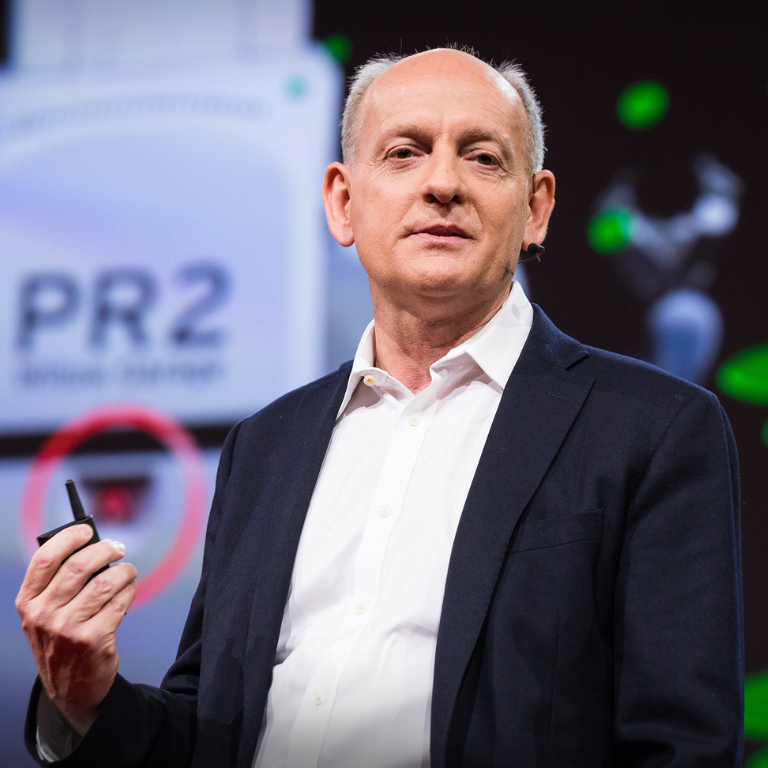
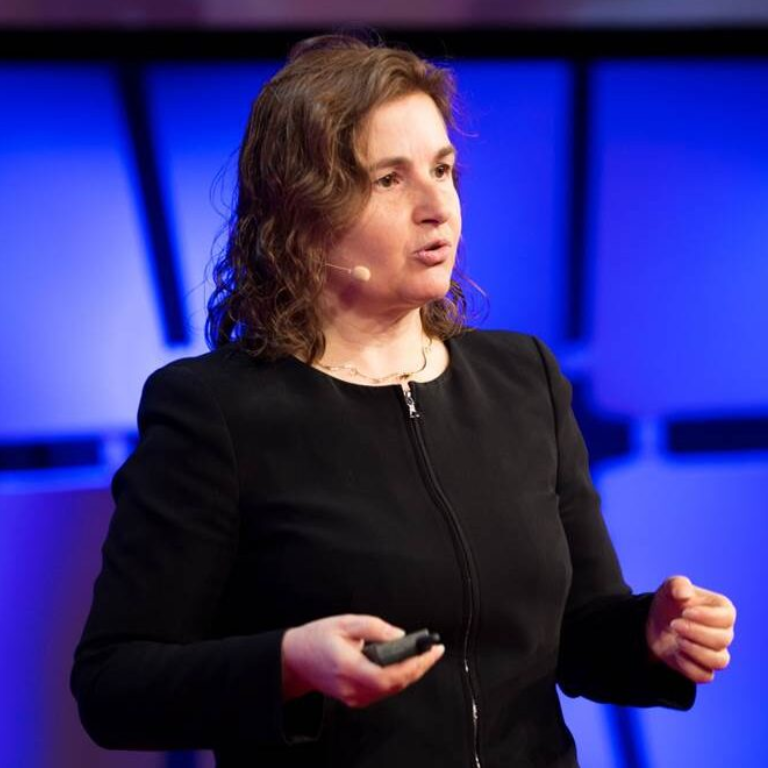
24. Daniela Rus
She shows how robotics and AI move from lab to plant, transforming modern operations. Examples span logistics, manufacturing, and human-robot collaboration. Her talks are strong for leaders modernizing physical workflows.
25. Jeremy Howard
He demonstrates lean, open-source approaches that speed up model development and learning. With fast.ai, he has helped thousands of practitioners get hands-on quickly. Audiences leave with practical starting points and a sense of what is realistically achievable.
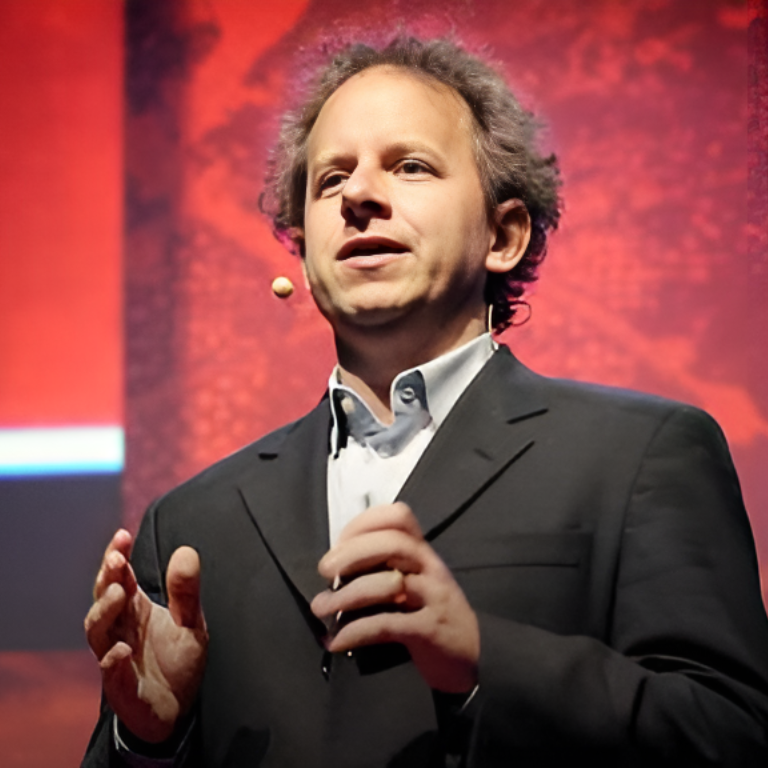
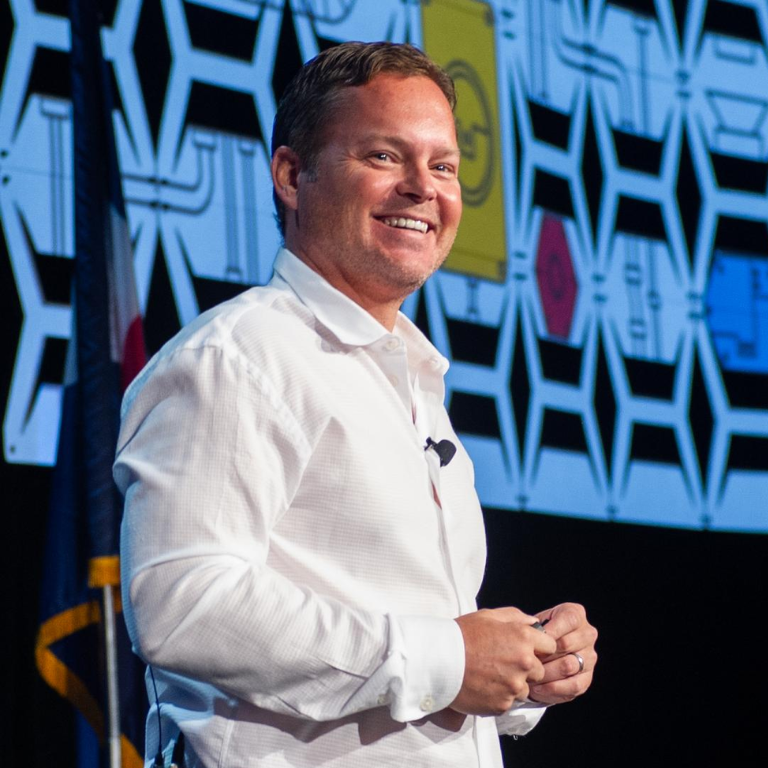
26. Dag Kittlaus
He shares lessons from building Siri and Viv to guide conversational AI strategy and partnerships. Talks highlight product-market fit, platform choices, and how to evaluate agent opportunities. He is especially helpful for leaders who need to connect voice, chat, and back-office systems.
Quick tips to
choose the right AI speaker
- Match depth to your audience. Developers value technical roadmaps, executives want strategy, boards want risk and governance.
- Prioritize live relevance. Ask for industry-specific use cases, policy context, and a clear set of next steps.
- Ask for pre-event alignment. A short discovery call ensures examples, data points, and tone fit your agenda.
About Dr. Shawn DuBravac,
AI Keynote Speaker
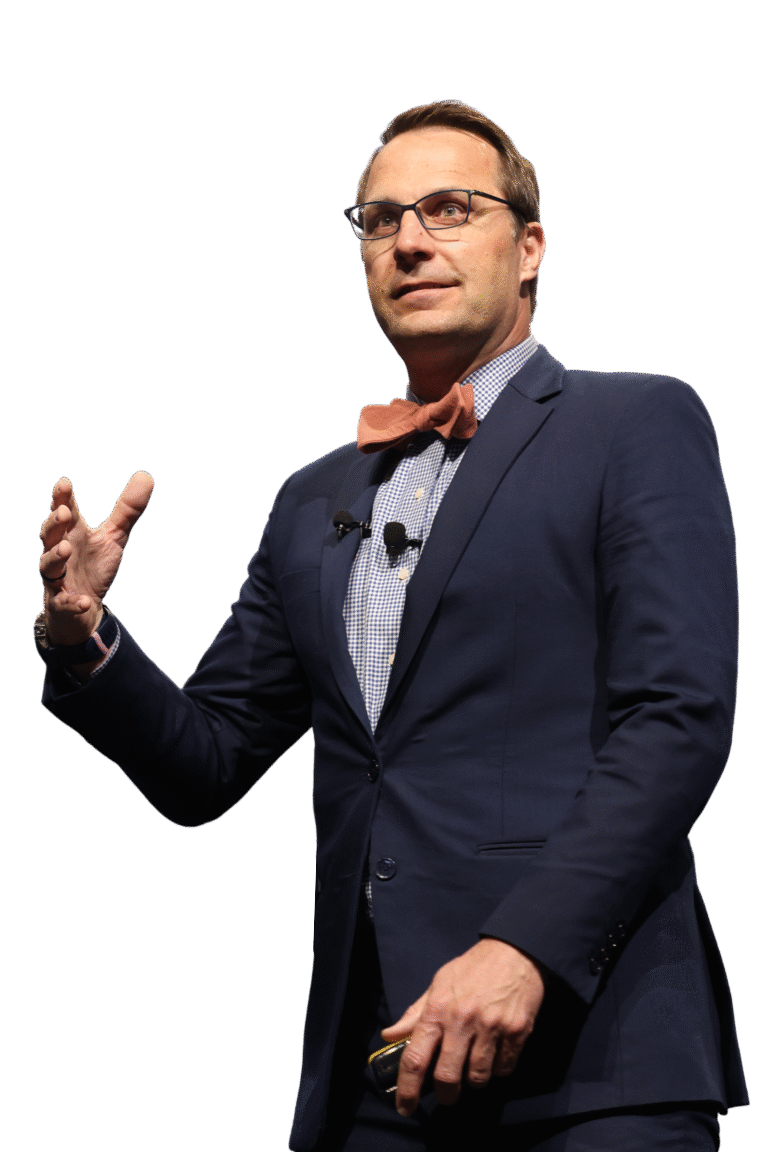
Dr. Shawn DuBravac is an AI keynote speaker who connects emerging technology to clear business outcomes. An economist and futurist, he translates complex concepts in generative AI, automation, and data governance into simple frameworks leaders can use immediately. His sessions show executives how to turn AI from a buzzword into measurable gains in productivity, customer experience, and revenue.
DuBravac brings a rare combination of data fluency and market insight. He shares with audiences the signals shaping next-generation products, platforms, and behaviors. His vantage point keeps his content grounded in evidence, not hype, and tailored to decisions companies face in the next 12 to 24 months.
DuBravac’s talks focus on practical AI adoption. He outlines where AI creates the most value, how to prioritize use cases, and how to build the right operating model, talent plan, and metrics. Leaders learn how to move from pilots to production, how to design lightweight governance and risk controls, and how to align technology investments with customer outcomes. His approach helps organizations ship something useful quickly, then scale what works.
Executives appreciate his ability to frame AI as a strategy problem, not a tools problem. He explains the second-order effects that follow new capabilities, such as how automation reshapes roles, incentives, and cost structures, and how those shifts affect pricing, product design, and market position. Boards and senior teams leave with a shared vocabulary for AI readiness, a shortlist of initiatives, and a scorecard to track progress.
Industry audiences value his range. DuBravac has guided leadership teams in financial services, manufacturing, healthcare, agriculture, reinsurance, media, and retail. He brings sector-specific examples, from intelligent workflows and agents, to quality control and predictive maintenance, to marketing and service personalization. Each keynote is customized after a discovery call, and often includes current data, case studies, and scenario planning relevant to the audience.
As a New York Times bestselling author and recognized futurist, DuBravac combines clear storytelling with academic rigor. He demystifies technical topics without dumbing them down, and he builds confidence by showing what to do next week, next quarter, and next year. The result is a room that understands the stakes, sees the opportunities, and knows how to act.
If you need an AI keynote that is optimistic, realistic, and immediately useful, Dr. Shawn DuBravac delivers a program your audience will reference long after the event. Use the contact form to check availability and outline your goals, and he will shape a session that matches your industry, your level of technical depth, and the outcomes you want to achieve.
Frequently Asked Questions
What is an AI keynote speaker?
An AI keynote speaker analyzes the latest developments, trends, and future directions in artificial intelligence, then translates them into practical insights, strategies, and actions for leaders and organizations.
How far out should we plan?
Six to twelve weeks is common for most events. Larger conferences often lock speakers six months ahead.
What should a good brief include?
Audience mix, industry, strategic priorities, desired outcomes, timing, and any sensitive topics to avoid.
Do we need customization?
Yes. Tailored examples, data, and language increase relevance and return on your investment.